
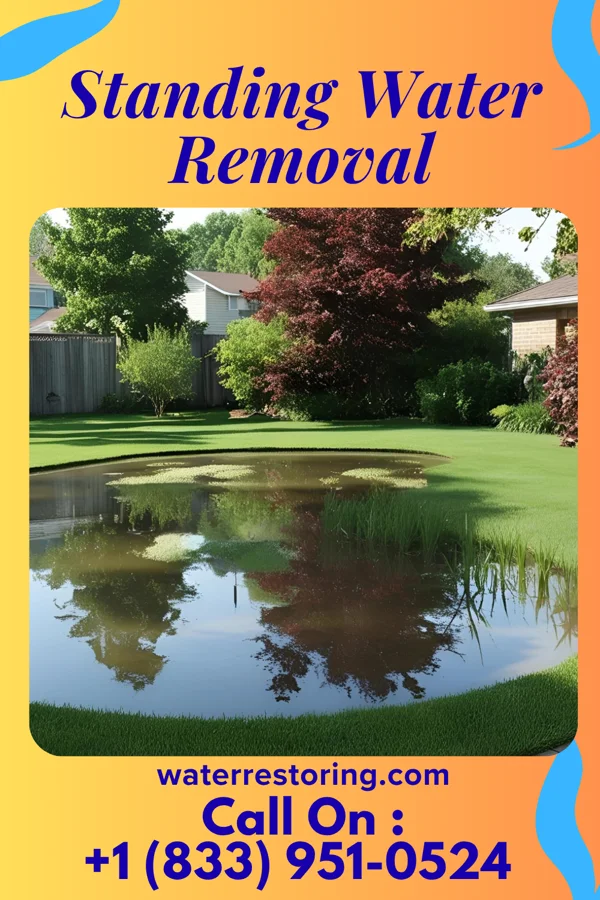
Why Fossil Sees Standing Water Often
The pattern in Fossil is consistent. In Fossil, Oregon, water damage often stems from heavy rainfall and flooding due to the region's mountainous terrain and proximity to rivers. Additionally, seasonal snowmelt in the surrounding high elevations can lead to sudden water accumulation in lower-lying areas. drives most of the emergency restoration calls we get. A close second is Secondary causes include plumbing failures in older homes, leaking roofs, and equipment malfunctions in rural properties. The remote nature of Fossil means that delayed response times can exacerbate these issues..
Fossil's climate features cold winters and wet springs, increasing the risk of water intrusion. The area's low population density and rural setting can make it challenging to quickly address water damage incidents.
Fossil's climate features cold winters and wet springs, increasing the risk of water intrusion. The area's low population density and rural setting can make it challenging to quickly address water damage incidents. The dominant local driver is In Fossil, Oregon, water damage often stems from heavy rainfall and flooding due to the region's mountainous terrain and proximity to rivers. Additionally, seasonal snowmelt in the surrounding high elevations can lead to sudden water accumulation in lower-lying areas., with Secondary causes include plumbing failures in older homes, leaking roofs, and equipment malfunctions in rural properties. The remote nature of Fossil means that delayed response times can exacerbate these issues. showing up as the next most common cause. Damage builds in stages. Spread. Absorption. Microbial growth. Structural compromise. Every stage you pass through adds to the final bill.